01 · The Spread
The magazine page
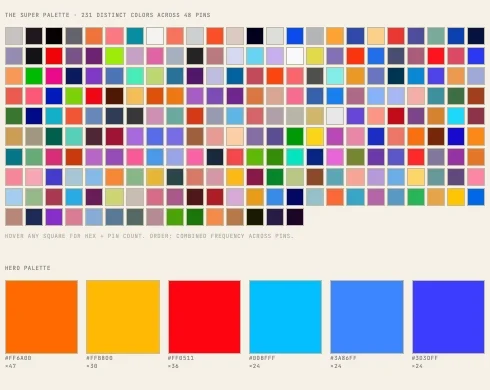
The super palette — every distinct color the press pulled, with pin counts — above the hero palette, typography, lighting, materials, mood, tensions, the do's and don'ts, and the pin index underneath.
Issue 03 · 1970s Italian Magazine · act I — the pile
Drop in a Pinterest board — or any media at all: images, video, a YouTube link, a URL, text, even audio. That’s the whole ask.
↑ not decoration — five real guides, twenty extracted colors. The strip is the table of contents: touch a color to change the cover.
The pipeline, unrolled
One board, followed all the way through the press. Everything below is Hypercolors — a real Pinterest board, pressed into a real issue. Real pins, real extraction, real output; nothing staged.
I · The baseline
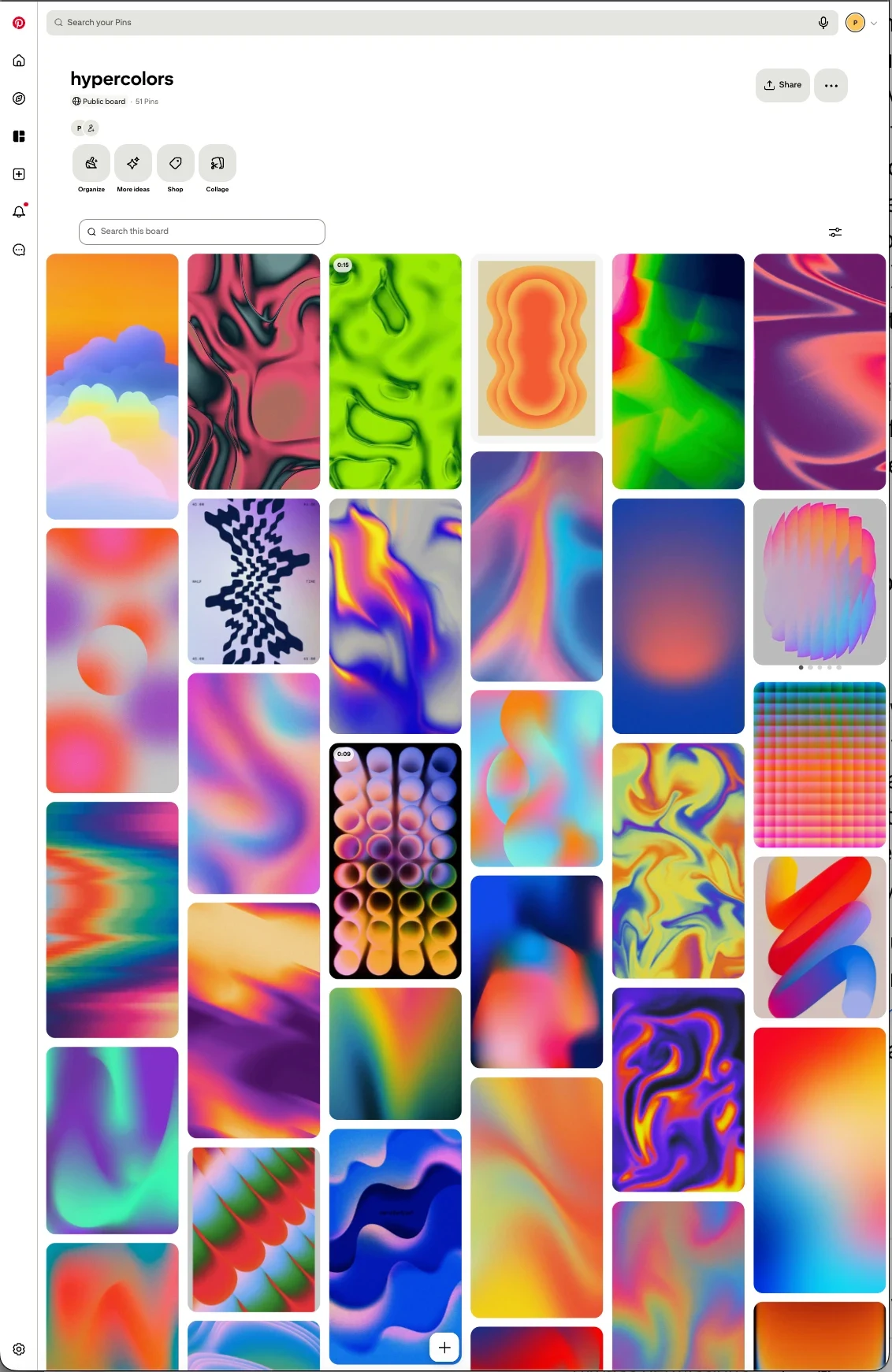
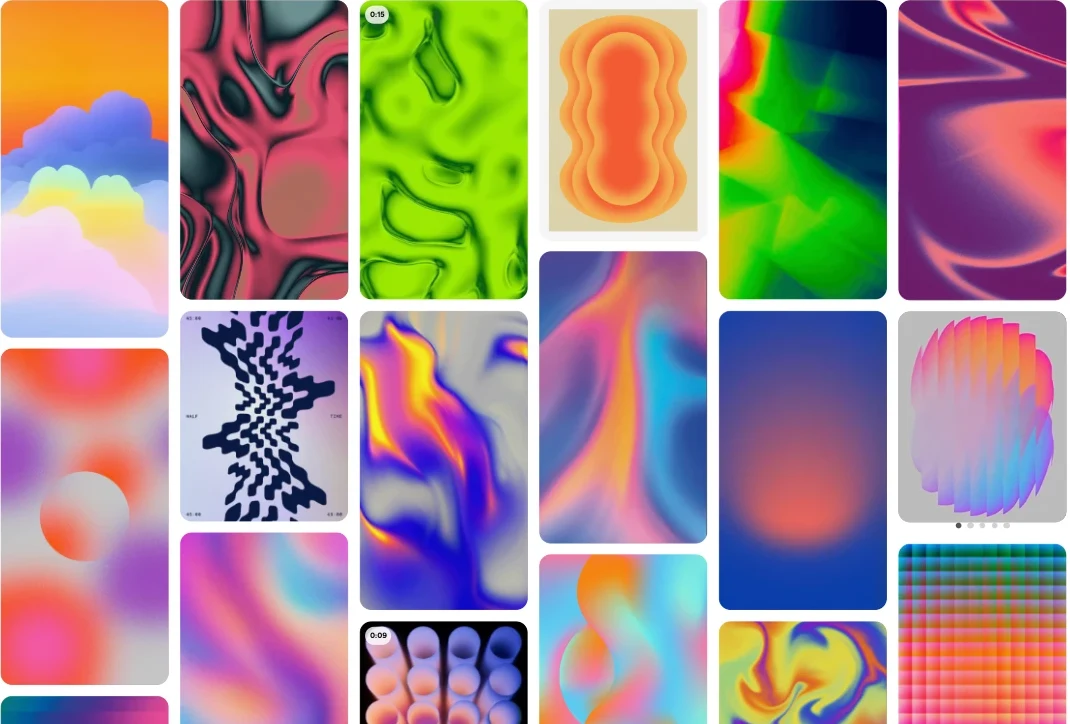
Your Pinterest board knows what you like — it just can't say it. Paste the URL (or drop images, a website, a PDF, audio) and the press pulls every pin.
II · The reading
Each image gets a real k-means palette extraction plus a twelve-field vision analysis — era, mood, lighting, materials, composition, typography, the do's and don'ts it implies. Not tags. A ledger.
Hypercolors · the pin index, mid-read — five of forty-eight
III · The reveal
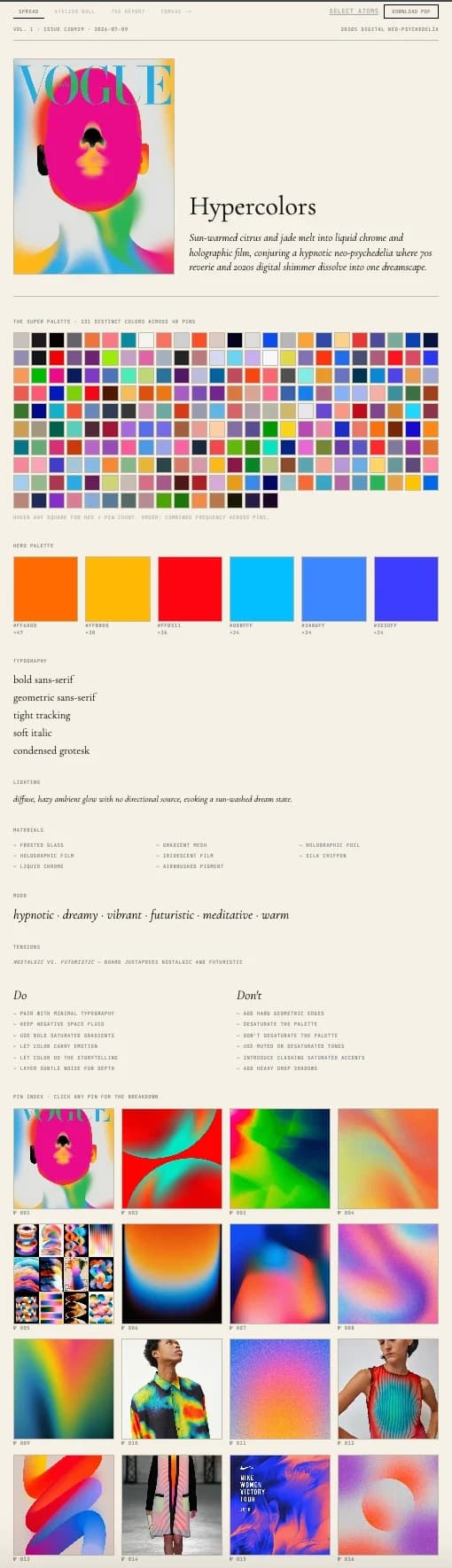
The finished guide is a spec, not a moodboard: 231 distinct colors with pin counts, a hero palette, typography, lighting, materials, hard do's and don'ts, the tensions — and one thesis sentence that reads your taste back to you:
“Sun-warmed citrus and jade melt into liquid chrome and holographic film, conjuring a hypnotic neo-psychedelia where 70s reverie and 2020s digital shimmer dissolve into one dreamscape.”
— the press, reading the board above
What comes off the press
Every issue ships as four working surfaces — each one built to be dropped somewhere, not framed. Everything below is the real Hypercolors issue, exactly as the app renders it.
01 · The Spread
The super palette — every distinct color the press pulled, with pin counts — above the hero palette, typography, lighting, materials, mood, tensions, the do's and don'ts, and the pin index underneath.
02 · The Atelier Wall
The maximalist collage view — just material, edge to edge. The board as a wall you can stare at until the thesis makes sense on its own.
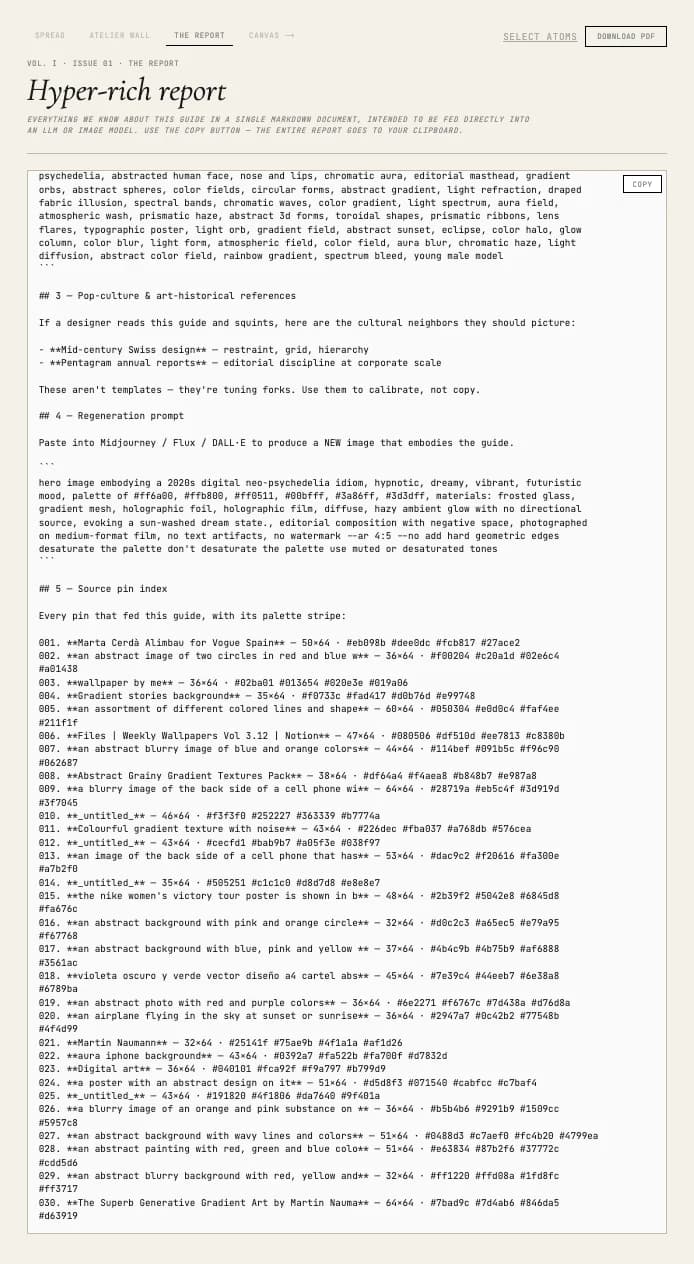
03 · The Report
Everything the press knows about the issue in a single markdown document — descriptors, art-historical references, a regeneration prompt, the source pin index — behind one copy button. Written to be fed to a model, not framed.
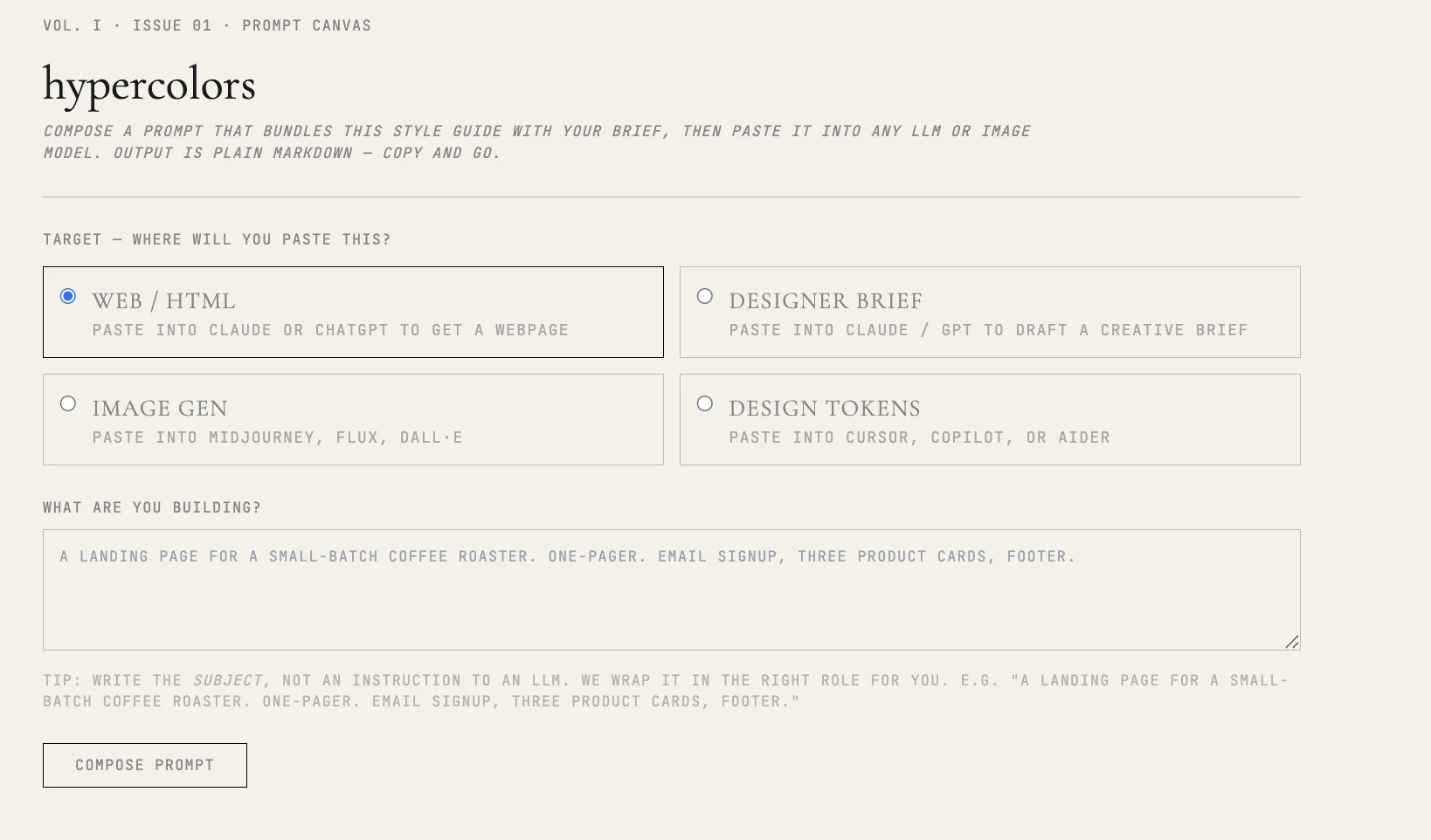
04 · The Canvas
Pick a target, say what you're building, and the canvas wraps your brief in the guide — composed for exactly where you'll paste it.
The handoff
Copy the report — or compose a prompt on the canvas — and paste. Whatever comes back already obeys your palette, your era, your don'ts. Fast, neat, and tidy.
Claude · ChatGPT · any LLM
Paste the report ahead of your ask and every answer comes back on-voice — briefs, product copy, whole webpages that keep the do's and refuse the don'ts.
Midjourney · Flux · DALL·E · Sora · Veo
The regeneration prompt carries palette, materials, and lighting into any image or video generator — with your don'ts riding along as negative prompts.
delicious.computer
Our own cinematic website design engine. Feed it an issue and get a scrolling, art-directed site in your style — the stylized edge, without the agency.
Hypercolors' regeneration prompt — straight out of the report
hero image embodying a 2020s digital neo-psychedelia
idiom, hypnotic, dreamy, vibrant, futuristic mood,
palette of #ff6a00, #ffb800, #ff0511, #00bfff,
#3a86ff, #3d3dff, materials: frosted glass, gradient
mesh, holographic foil, holographic film, diffuse,
hazy ambient glow with no directional source, evoking
a sun-washed dream state, editorial composition with
negative space, photographed on medium-format film,
no text artifacts --ar 4:5 --no hard geometric edges …
The showcase · five sample issues · no account required
These aren't the choices; the press prints whatever your board is. Each sample below derives from a single hero image — the palette underneath is what the press pulled out of it. Open one to read its full spread. Your board becomes the next issue.
Issue 01 · 1980s Shibuya
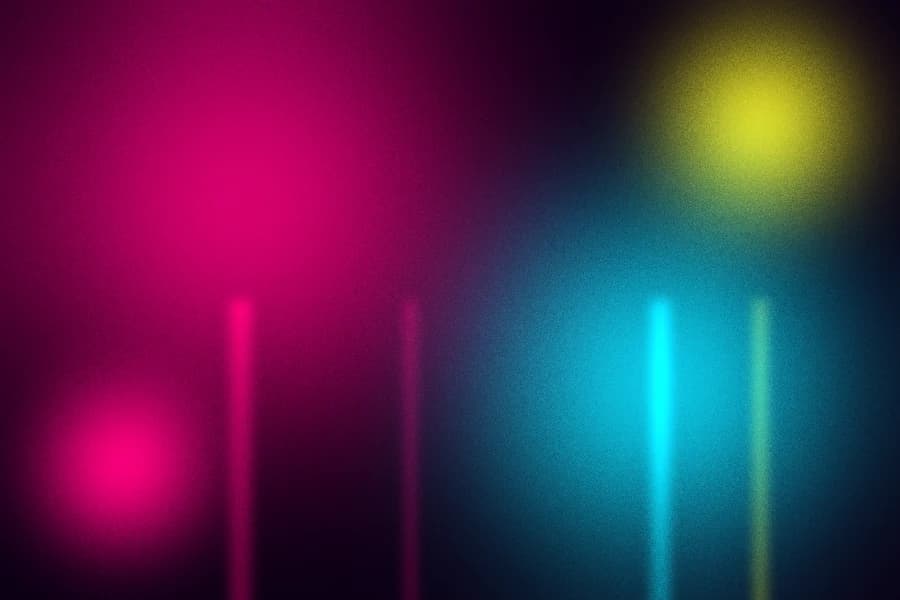
“A high-contrast hymn to electric night — neon as language, asphalt as page.”
↑ pulled from the image · kinetic · electric · urban · nocturnal
Read the issue →
Issue 02 · 2020s biotech
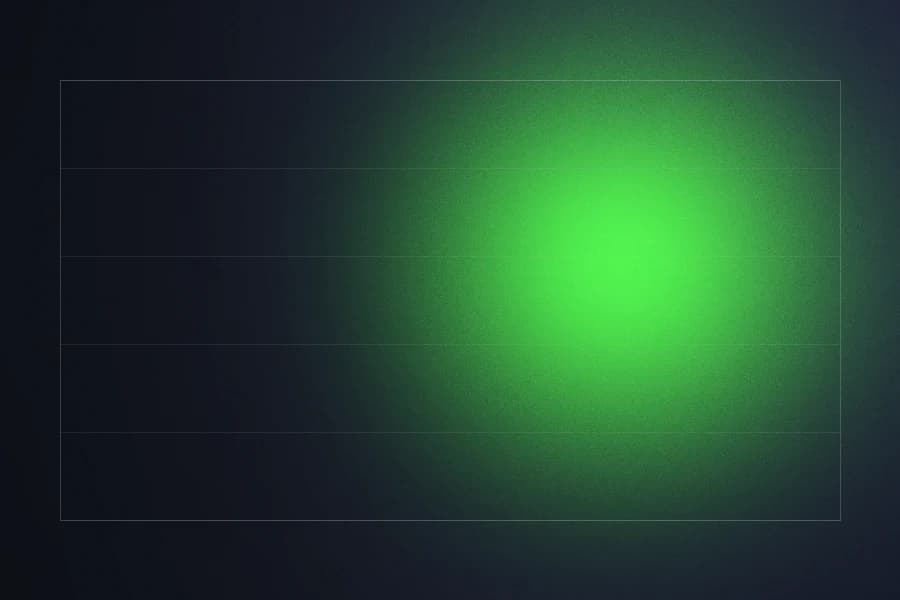
“Surgical green against industrial black — life observed through the clean room window.”
↑ pulled from the image · cold · precise · biotech · austere
Read the issue →
Issue 03 · 1970s
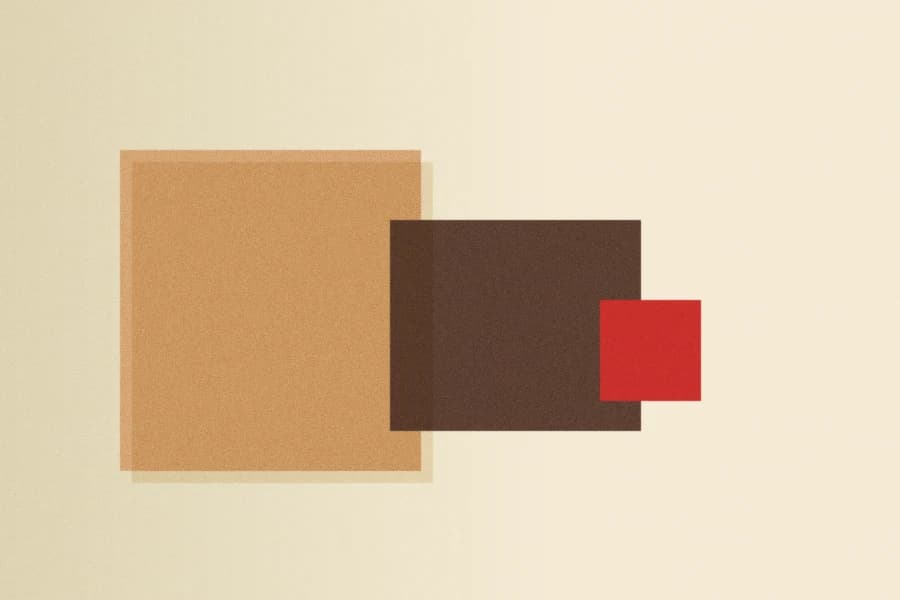
“Sun-bleached Milanese restraint — paper as object, silence as layout.”
↑ pulled from the image · nostalgic · warm · analog · editorial
Read the issue →
Issue 04 · 1960s brutalism
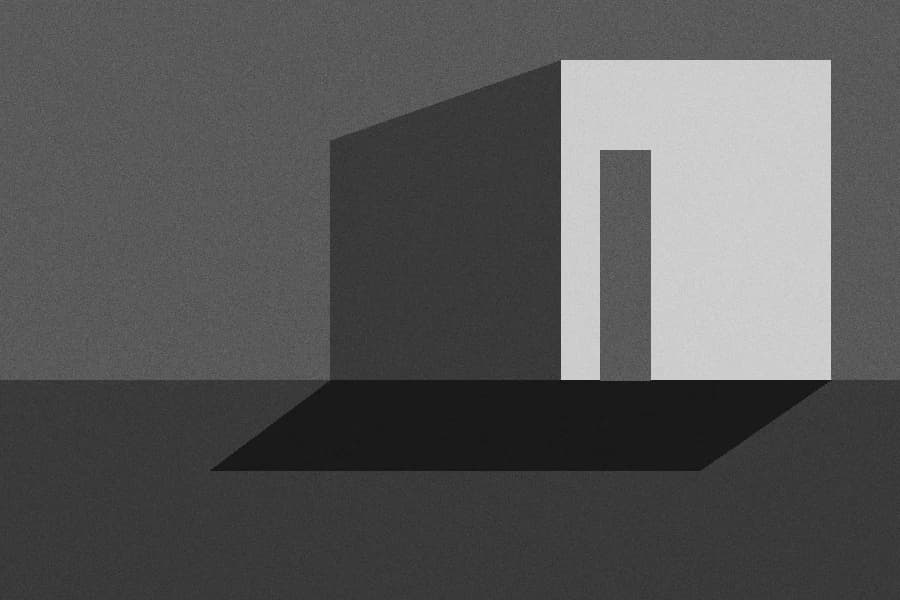
“Mass as expression — every shadow weighs something.”
↑ pulled from the image · austere · monumental · restrained · civic
Read the issue →
Issue 05 · 1920s Bauhaus
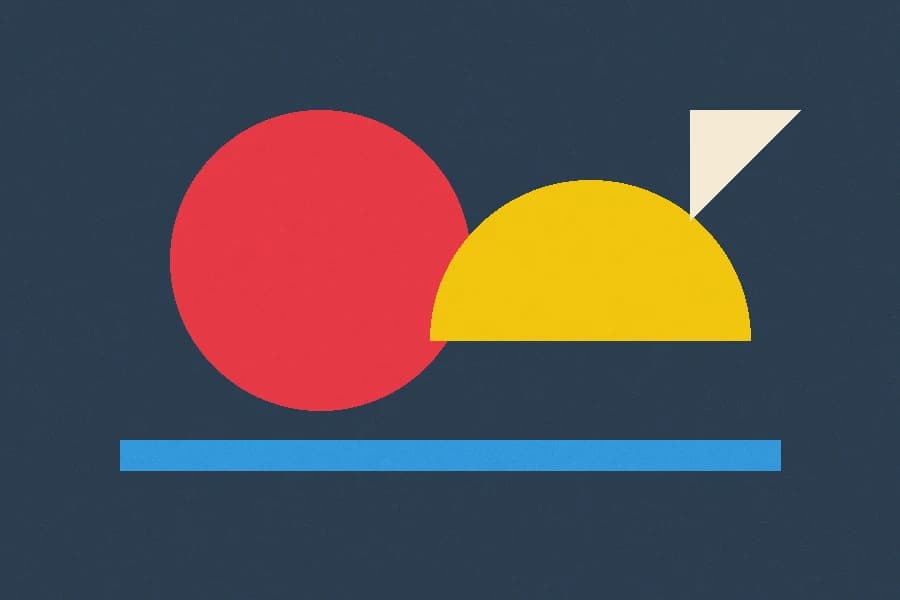
“Primary colors as primary structure — geometry that teaches by being seen.”
↑ pulled from the image · precise · playful · didactic · restrained
Read the issue →
Past the first issue
Once your corpus knows its influences, mix them: pick Brassaï, film noir, and letterpress off the shelves and pour a brand-new guide from the matching pins.
Blend whole guides with weighted dials and per-atom curation — keep the palette of one, the typography of another, resolve the tensions on purpose.
A paid-tier MCP endpoint makes your guides queryable from Claude, ChatGPT, or any agent you run — “what's my palette, who am I channeling” becomes an API call.
The colophon
SuperStyleGuide runs on your API keys, encrypted at rest — we never carry credits, never resell your corpus, and every guide exports clean. Try the showcase without an account; subscribe when you're ready to print your own.